

By Jason Cubero, founder of Cube Carpentry. I’ve been building and remodeling homes since 2003: decks, kitchens, bathrooms, additions, and everything in between.
When this article says a product was installed, used on jobs or tested, that statement refers to firsthand experience. If we do not explicitly make one of those claims, the product-specific evaluation is research-based using current manufacturer documentation, installation requirements, warranty terms and contractor context.
What we compare: use-case fit, installation, durability and maintenance, warranty and support, availability and value.
Fiberon doesn’t get the same attention as Trex, but I’ve installed it on plenty of jobs and it deserves a fair look. It sits in an interesting spot: better looking than most budget boards, priced below the premium PVC lines, and with a PVC option of its own for people who want to step up.
Fiberon sells two main decking families: Concordia, which is a capped composite, and Paramount, which is full PVC. This article covers the honest pros and cons of both, based on what I’ve seen installing them.
The Fiberon Lines, Quickly
Fiberon Concordia is the capped composite line. It comes in multi-tonal colors that look more natural than flat single-tone boards. Concordia Symmetry is the higher-end version within the family, with a sturdier cap and richer colors.
Fiberon Paramount is the PVC line. No wood fiber at all, just cellular PVC with a cap. It is the pick when moisture is the main enemy: pool decks, lake houses, shaded yards that never dry out.
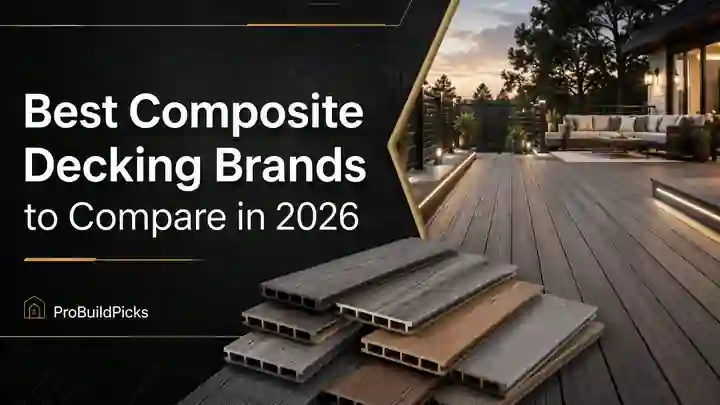
For how Fiberon stacks up against the big names, see my Fiberon vs Trex and Wolf vs Fiberon comparisons, plus the full best composite decking brands for 2026 roundup.

Fiberon Pros
1. Concordia’s colors look natural
The multi-tonal streaking on Concordia boards does a good job imitating real wood grain. From a few feet away, it doesn’t scream “composite” the way flat single-color boards do. Homeowners notice this the moment the first boards go down.
2. Good value in the middle tier
Concordia usually prices below Trex Transcend and TimberTech’s top lines while looking better than most budget boards. For a homeowner who wants a nice-looking deck without paying PVC prices, that middle spot is attractive.
3. Paramount PVC handles water well
Because Paramount has no wood fiber, it doesn’t absorb moisture the way composite cores can at cut ends. Around pools and hot tubs, where boards get soaked regularly, that matters. I’ve put Paramount around water features and it holds up.
4. Consistent color board to board
Some brands vary noticeably from board to board, which makes a big deck look patchy. Fiberon has been consistent in my experience. When I open five bundles, the color matches across all of them.
5. Installs like any other capped board
Concordia cuts, routes, and fastens the way I’m used to. Standard hidden fasteners work fine, and the boards don’t chip badly at the cut ends if your blade is sharp. No special tools or tricks needed.

Fiberon Cons
1. Harder to find than Trex
Fiberon has a smaller dealer network. Not every lumberyard stocks it, so lead times can be longer and matching a board years later takes more effort. Plan ahead on material orders.
2. Fewer colors overall
The palette is nice but narrow compared to Trex Transcend or TimberTech Advanced PVC. If a homeowner falls in love with a very specific shade, Fiberon may not have it.
3. Concordia scratches if you’re careless
The Concordia cap is good but not the toughest I’ve worked with. Dragging metal furniture or dropping tools can mark it. It’s fine for normal family use, but it’s not the board I’d pick for a commercial-style outdoor kitchen with heavy equipment.
4. Dark colors get hot, like everything else
Same story as every brand: dark boards in full sun get uncomfortable. Fiberon’s darker Concordia tones are no exception. Lighter colors are the smart pick for sunny, exposed decks.
5. Less name recognition
When you sell the house, “Trex deck” means something to buyers. “Fiberon deck” usually gets a blank stare. It shouldn’t matter for how the deck performs, but brand recognition does affect resale perception.
The Ordering Reality With Fiberon
Here’s the practical side nobody talks about. Because Fiberon isn’t stocked at every yard, I order materials the day the contract is signed, not the week before install. I also order extra. If a board gets damaged during the build or years later, matching the color lot matters, and a few spare boards in the garage have saved more than one of my customers a headache. Ask your contractor to leave you two or three spare boards. It costs little and it’s the difference between an invisible repair and a patch that doesn’t quite match. This advice applies to every smaller brand, but it matters most with Fiberon because reorders take longer.


Who Is Fiberon For?
Fiberon is for the homeowner who wants a good-looking deck at a fair middle price and doesn’t need the biggest brand name. Concordia is a strong pick when you like its colors and your dealer can get it. Step up to Paramount PVC if the deck lives around a pool or in constant moisture. Just order materials early, since availability isn’t as instant as Trex.
Comparing directly? Read Fiberon vs Trex for the head-to-head, or Wolf vs Fiberon if you’re weighing two PVC-friendly brands.

Jason Cubero is the founder of Cube Carpentry in New Jersey, building decks and remodeling full homes since 2003.