
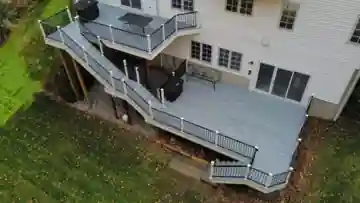

A good outdoor kitchen starts with workflow. Before choosing finishes, decide where food is stored, prepped, cooked, served and cleaned up.
1. Start with the cooking zone
Choose the primary grill or cooking appliance first because it affects clearances, gas or electric service, ventilation and counter layout.
2. Add prep space
Leave usable counter space beside the grill so trays and food do not need to cross the entire kitchen.
3. Decide whether you need a sink
A sink is convenient, but it adds water supply and drainage. In some locations, plumbing may be the feature that changes the project from simple to complex.
4. Refrigeration
Use appliances specifically rated for outdoor installation. Plan ventilation clearances and electrical service before cabinetry is built.
5. Storage
Weather-resistant drawers and cabinets make the kitchen more useful. Keep fuel, cleaning products and food storage separated appropriately.
6. Shade and weather protection
Consider a pergola or pavilion, but account for grill clearances and ventilation. See our Pergola vs. Pavilion guide.

7. Lighting and outlets
Task lighting over cooking and prep areas matters more than decorative lighting alone. Include code-compliant exterior outlets where appliances and accessories will be used.
8. Seating and traffic
Keep bar seating and walking paths out of the hot cooking zone. The kitchen should feel connected to the rest of the patio or deck without creating a bottleneck.
For budget planning, read Outdoor Kitchen Cost in 2026.
FAQ
What should go next to the grill?
Counter space is usually the most useful feature immediately beside a grill. Follow appliance clearance requirements when deciding exactly how close counters and cabinets can be.
Do I need a sink?
No, but it can make prep and cleanup easier if the added plumbing cost makes sense for your project.


