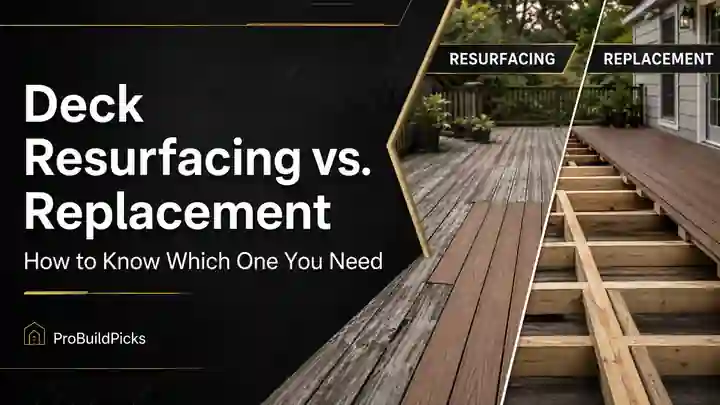
When you install expensive composite or PVC decking over pressure-treated framing, one question comes up often: should you protect the top of the joists with joist tape? In many deck builds, we think it is a sensible extra layer of protection—especially because the decking may outlast the framing underneath it.
Want installation details? This page focuses on whether joist tape is worth the money. Our joist tape installation guide covers where to place it and how to use it under composite decking.
What Joist Tape Does
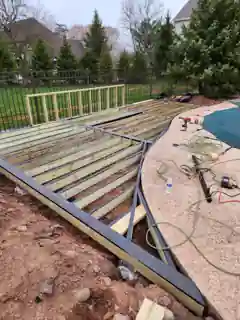
Joist tape creates a protective layer over the top edge of joists, beams and blocking where water can sit around fastener penetrations and between framing and decking. It does not make a poorly built deck waterproof, but it can reduce direct moisture exposure in vulnerable areas.
Why It Makes Sense Under Composite Decking
Modern composite and PVC decking can carry long warranties. If the surface lasts decades, protecting the wood structure below becomes more important. Replacing decking because the framing failed early defeats much of the value of a long-life deck board.
Where We Would Use It
- Top edges of joists.
- Beams and built-up framing where appropriate.
- Blocking under picture-frame and breaker boards.
- Areas with many fastener penetrations.
- Pool decks and other locations exposed to frequent water.
Installation Still Matters
The framing should be dry enough and clean enough for the selected tape to bond correctly. Wrinkles, poor adhesion and careless overlaps reduce the benefit. Follow the tape manufacturer’s instructions and do not use tape as a substitute for correct flashing at the house.
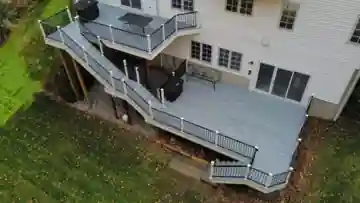
It must also satisfy the joist spacing requirements for composite decking.
Is It Worth the Cost?
On a new composite or PVC deck, joist tape is a relatively small part of the overall project compared with decking, railing and labor. For that reason, we generally see it as inexpensive insurance for the framing.
Bottom Line
Joist tape is not magic, but it addresses a real weak point: water sitting on horizontal wood surfaces and around fasteners. If we are building a premium low-maintenance deck intended to last, protecting the framing is a detail we would strongly consider.
Also read our guide to 12 vs. 16-Inch Joist Spacing and Hidden Fasteners vs. Face Screws.