

Resurfacing a deck can save time and money when the existing frame is truly sound. But covering a failing structure with expensive new composite boards is one of the costliest mistakes a homeowner can make. The decision should start with the frame—not the appearance of the old deck boards.
The Short Answer
Resurface the deck when the footings, posts, beams, ledger, joists and connections are structurally sound, properly spaced for the new decking and expected to last for many more years.
Replace the deck when major structural components are rotted, undersized, badly modified, improperly attached, out of level, failing inspection or too deteriorated to justify installing premium new finishes over them.
What Does Deck Resurfacing Mean?
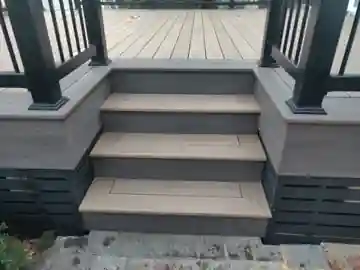
Deck resurfacing usually means removing the existing deck boards and often the railing while keeping most or all of the structural frame. New decking, fascia, railing and sometimes stairs are then installed over the retained framing after repairs and preparation.
A good resurfacing project is not simply “remove old boards and install new ones.” The exposed frame should be inspected, repaired, flattened, blocked and adjusted to meet the requirements of the new decking system.
What Does Full Deck Replacement Mean?
Full replacement generally means removing the decking, railings and structural frame and rebuilding the deck from the footings or support system up. Depending on the project, existing footings may also need to be replaced or supplemented.

The Frame Is the Deciding Factor
Deck boards can look terrible while the frame underneath is still serviceable. The opposite can also happen: surface boards may look acceptable while hidden ledger, beam, joist or post connections are deteriorating.
The decision should be based on structural condition, not just appearance.
What to Inspect Before Resurfacing
- Ledger: attachment to the house, flashing, water damage and corrosion.
- Joists: rot, splitting, excessive notching, sagging, crowns and spacing.
- Beams: rot, improper splices, undersizing and poor bearing.
- Posts: decay, movement, poor connections and contact with soil or water.
- Footings: settlement, movement, cracking, inadequate depth or poor placement.
- Hardware: rust, missing connectors, improper fasteners and loose hangers.
- Stairs: stringer condition, support, landing and attachment.
- Framing layout: whether the new composite or PVC decking is approved for the existing joist spacing.
When Resurfacing Makes Sense
- The frame is structurally sound.
- The ledger is properly attached and flashed.
- Joists are in good condition and can be brought into plane.
- Joist spacing meets the new decking requirements or can reasonably be upgraded.
- Beams and posts are sound.
- Footings are stable and acceptable for the existing structure.
- The deck layout still works for the homeowner.
- Required repairs are limited enough that keeping the frame still has financial value.
When Full Replacement Makes More Sense
- Widespread joist or beam rot.
- Serious ledger problems or water damage at the house.
- Major settlement or unstable footings.
- Multiple structural repairs are needed throughout the deck.
- The existing deck was built with poor framing practices that would require extensive correction.
- The layout is being substantially changed.
- The deck needs to be enlarged, raised, lowered or reconfigured.
- The cost of repairs approaches the cost of rebuilding correctly.
Joist Spacing Can Change the Decision
Older wood decks may have joists spaced wider than a new composite product allows. If the frame is otherwise good, additional joists can sometimes be installed between existing joists. But if the frame already has rot, sagging and connection problems, adding joists may only delay the need for full replacement.
Read 12 vs. 16-Inch Joist Spacing for Composite Decking.
Composite Decking Can Reveal an Uneven Frame
New composite and PVC boards can make high and low joists more obvious. Before resurfacing, the top of the frame should be checked with string lines or straightedges. Crowns may need planing, low joists may need sistering or shimming where approved, and severely twisted or damaged joists may need replacement.
Do Not Forget Blocking
Resurfacing is a good opportunity to add blocking for picture-frame borders, breaker boards, railing posts, stairs and areas where the existing framing moves or twists. New decking should not be installed until every board edge and fastening location has the support it needs.
Should You Add Joist Tape?
When the frame is being retained, many installers add compatible joist or flashing tape over clean, dry framing before new decking is installed. It can help reduce water penetration at fastener locations and protect the top of the joists. Tape is not a repair for rotted wood, and damaged framing should be replaced rather than covered.

Railing Can Trigger Additional Work
Modern railing systems may require stronger or differently located blocking than the old railing used. If the deck is being resurfaced with new aluminum, composite or cable railing, plan the post attachment before the new deck boards are installed.
See How to Choose the Right Deck Railing.
Resurfacing Is Not Always the Cheaper Choice
Keeping the old frame only saves money when enough of it can actually remain. If crews spend days replacing joists, reframing stairs, adding blocking, correcting beams and rebuilding connections, the labor can narrow the gap between resurfacing and a new deck.
Compare both scopes before deciding. A lower initial estimate is not automatically the better value if the retained frame has limited remaining life.
For current budgeting, see Deck Resurfacing Cost in 2026. If you specifically plan to remove wood boards and install composite, use Cost to Replace Wood Deck Boards With Composite in 2026.
Questions to Ask a Contractor
- Which parts of the frame are being retained?
- How will the ledger and flashing be inspected?
- Are any joists, beams or posts expected to be replaced?
- Does the current joist spacing meet the new decking requirements?
- Will the frame be leveled or planed before decking?
- What blocking will be added for borders, railings and stairs?
- Will joist tape be installed?
- What happens if hidden rot is discovered after demolition?
- Is permit or inspection work required?
- What is the expected remaining life of the retained structure?
ProBuildPicks Takeaway
Resurfacing is a smart option when the frame is genuinely worth saving. Full replacement is better when structural problems are widespread or the old layout no longer meets the project’s needs. Do not make the decision based on deck-board appearance alone. Remove enough finish material to inspect the structure and price the repairs honestly before buying expensive new decking.